
The All-New Mitsubishi Pajero Is Coming to Australia, and We're Ready to Talk You Through It
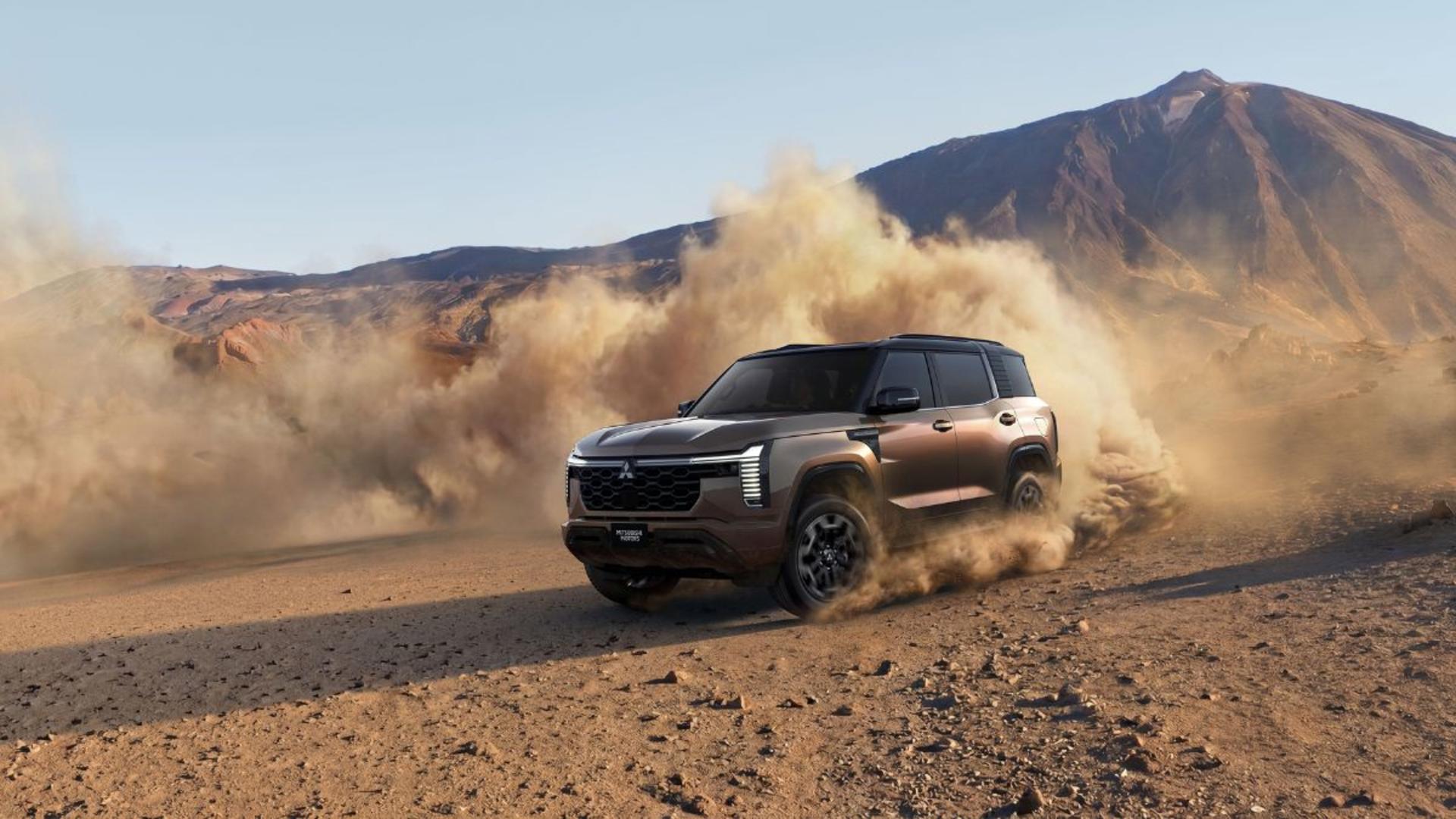
Mitsubishi Motors has just pulled the covers off the fully redesigned Pajero at its world premiere in Tokyo, and as a Mitsubishi dealer group serving Melbourne and Victoria, we can't wait for it to arrive in our showrooms. This is the fourth-generation Pajero's successor, badged as an all-new flagship, and Mitsubishi has confirmed it's coming to Australia late 2026, so our Melbourne customers won't be waiting long once the model lands here.
What Does the New Pajero Look Like?
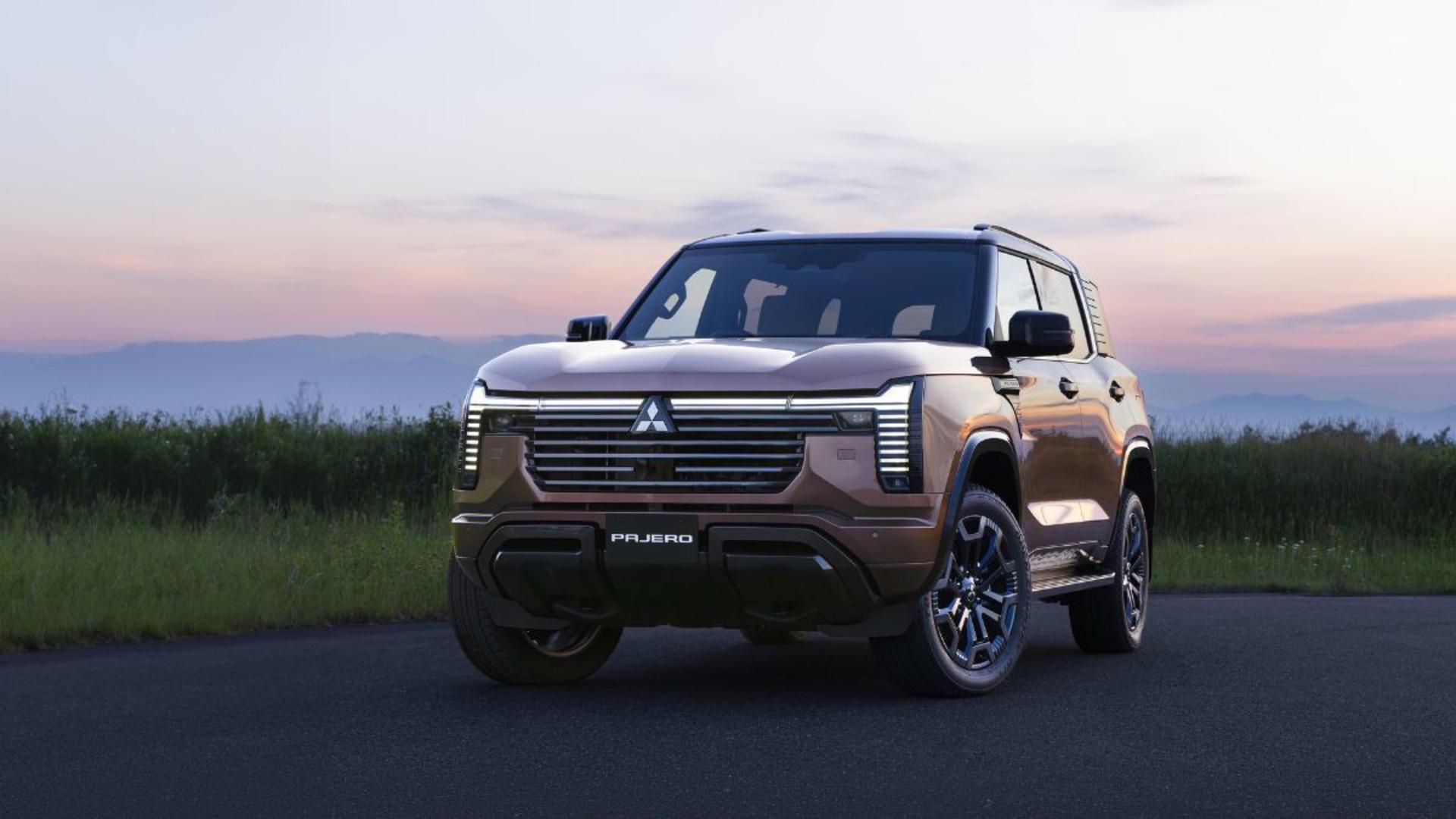
The first thing that stands out in the images is how upright and squared off the new Pajero is.
Mitsubishi has kept the bold, commanding proportions and horizontal design lines that defined the original 1982 model, then added powerful fenders and heavily sculpted body surfaces that give the front end real visual weight. The company says the front design draws on kendo, the traditional Japanese martial art built around discipline and composure, and you can see that restraint in how flat and deliberate the surfacing looks rather than fussy or over-styled.
Buyers will get a choice of two grille treatments. A horizontal-bar grille leans into precise, almost industrial detailing, while a honeycomb grille goes for a more technical, functional look. Either way, the T-shaped headlights are the signature piece up front, giving the face a distinctly modern read without losing the blocky, ready-for-anything stance the Pajero name has always traded on.
Round the back, Mitsubishi has worked in a hexagonal rear motif that reinterprets the old rear-mounted spare wheel from earlier Pajero generations, and the C-pillar takes its shape from the roll bar on the very first model. Small details, but they're the kind of heritage cues that long-time Pajero owners in our showrooms will pick up on immediately.
Underneath all of that sits what Mitsubishi describes as a highly rigid ladder frame, built with an expanded use of high-tensile steel and a larger frame cross-section to boost torsional and bending rigidity. That's the structural backbone that lets Mitsubishi make genuine off-road claims rather than just SUV styling claims, and it's paired with an independent double-wishbone front suspension and a newly developed five-link rigid rear axle.
When is the New Pajero Coming to Melbourne Showrooms?
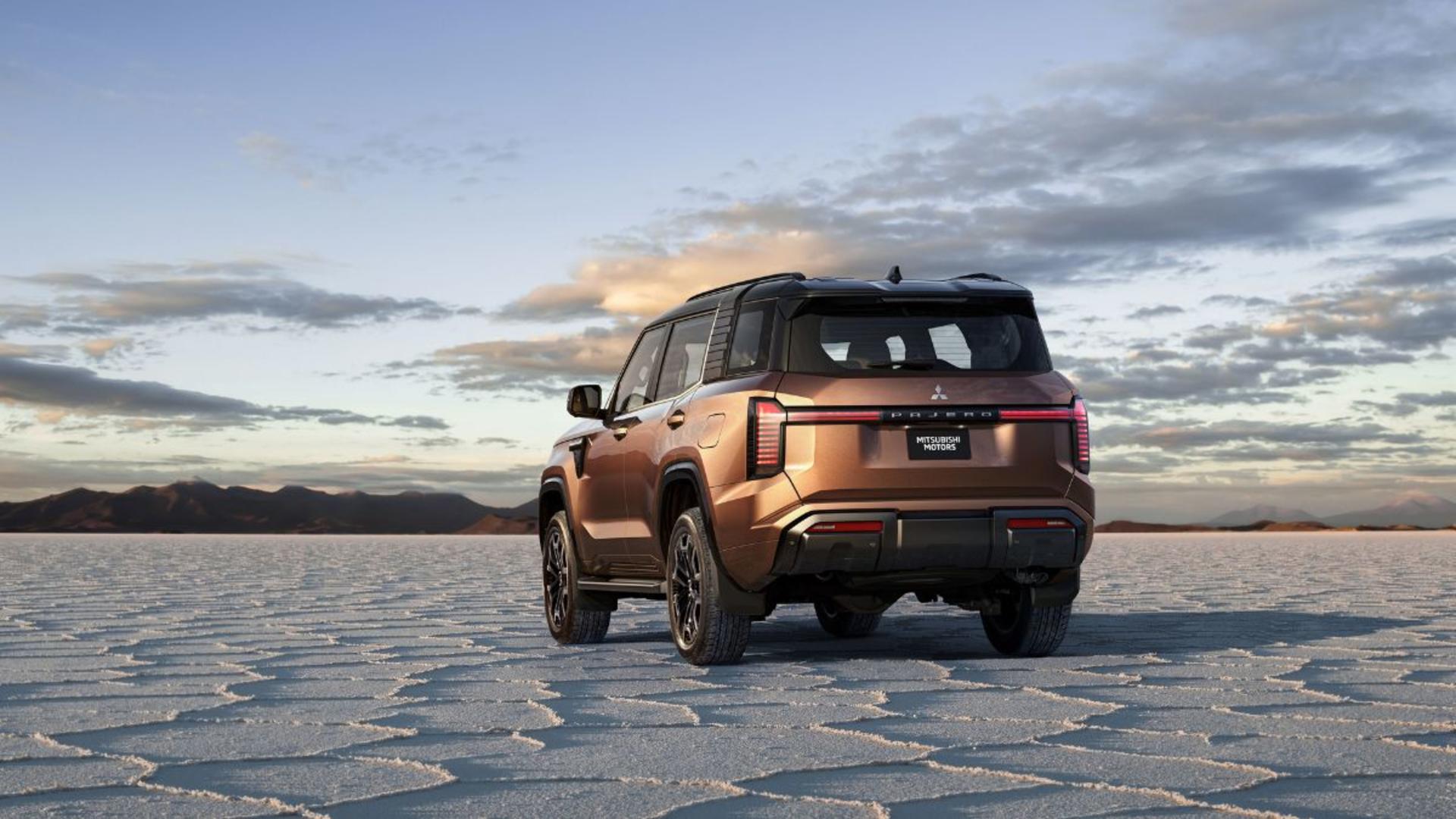
Mitsubishi has confirmed Australia as one of the first markets to receive the new Pajero, launching during 2026 after an initial rollout in Thailand, where the vehicle is built, and Japan. Mitsubishi Australia has indicated a December 2026 window for local arrival.
We'll update pricing, grade structure and exact on-sale dates for Victoria as soon as Mitsubishi Australia confirms them. Nothing in the global release covers local pricing, so treat any figure you see elsewhere as speculation until we or Mitsubishi Australia confirm it.
What Engine and Drivetrain Does the New Pajero Use?
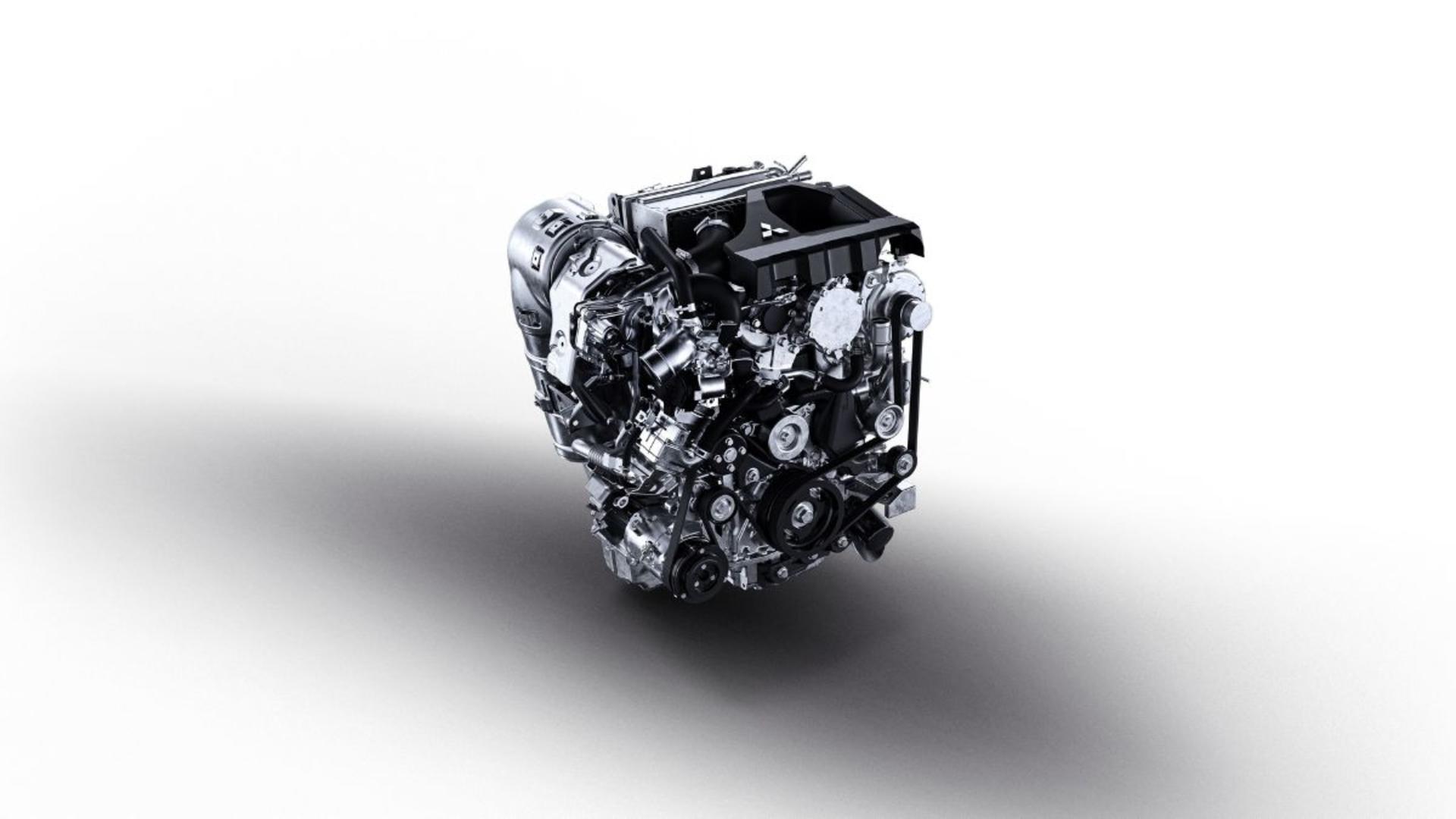
The new Pajero is powered by a specially developed 2.4-litre clean diesel engine with a wide-range single variable geometry turbocharger, producing a maximum 480Nm of torque on the primary specification, with Mitsubishi noting 470Nm on select specifications. That's paired with a newly developed eight-speed automatic transmission with a sport mode.
Drive goes through Mitsubishi's Super-All Wheel Control system, known as S-AWC, which coordinates acceleration, cornering and braking for more predictable handling both on and off the road. Underneath that sits Super Select 4WD-II, or SS4-II, giving drivers four selectable modes: 2H for rear-wheel drive, 4H for full-time all-wheel drive, 4HLc for a locked centre differential, and 4LLc for a locked centre differential with low-range gearing. S-AWC also folds in Active Yaw Control, Active Stability and Traction Control, and anti-lock braking, so the system is managing torque and braking force across all four wheels rather than treating them as separate systems.
For drivers who want a preset rather than manual control, there are seven selectable drive modes covering Normal, Eco, Gravel, Snow, Mud, Sand and Rock conditions.
How Capable is the New Pajero Off-Road?
Mitsubishi has published a set of off-road figures for the version fitted with 20-inch tyres, which is worth noting because these numbers will vary by wheel and tyre package. On that specification, ground clearance is 230mm, the approach angle is 30.4 degrees, the ramp breakover angle is 22.6 degrees, and the departure angle is 25.8 degrees. Front and rear track width sits at 1,630mm, the wheelbase is 2,870mm, and overall length, width and height come in at 4,920mm, 1,925mm and 1,910mm respectively. Weight distribution is quoted at 52:48 front to rear.
Braking hardware includes 18-inch rotors and an electric brake booster, and Mitsubishi has added a 3D Multi Around Monitor that stitches together four vehicle-mounted cameras into a real-time 3D view of the vehicle's surroundings, running at roughly 30 frames per second. It includes a front under-floor view that shows the road surface beneath and ahead of the vehicle, which switches on automatically in 4HLc or 4LLc and can also be activated manually.
None of these off-road figures have been confirmed as Australian-specification numbers yet. They come from Mitsubishi's global release and are tied to a 20-inch tyre fitment, so our local grade walk may differ once Mitsubishi Australia locks in the range.
What is the Cabin Like Inside the New Pajero?
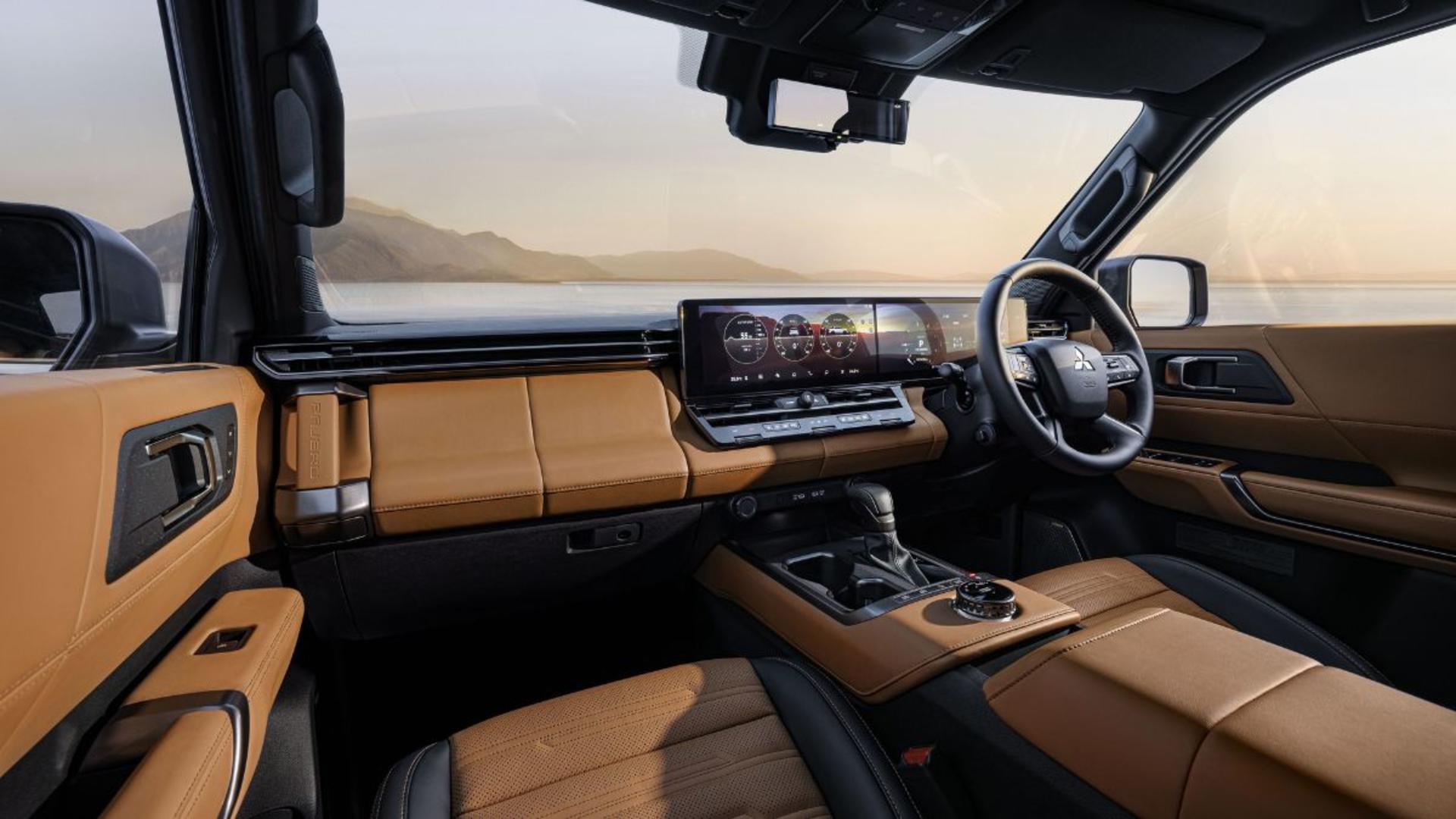
The new Pajero seats seven across three rows, with the interior packaging designed to give every row usable space rather than treating the third row as an occasional-use afterthought. The second row gets a 150mm sliding range and a tumble mechanism for easier access to the back, and Mitsubishi says the third row has been designed with proper headroom for adults, along with a footwell shape that lets rear passengers tuck their feet under the second row seats.
Instrumentation runs through a monolithic display combining two 14.3-inch screens, with a 12.3-inch display fitted on select specifications instead. One of those screens houses the Multi-Meter, a modern reinterpretation of the old triple-gauge cluster from earlier Pajero generations, showing altitude, compass heading, temperature, vehicle pitch and roll, and AYC status. There are 16 background themes that shift with the time of day, plus wireless smartphone connectivity through the Smartphone-link Display Audio system.
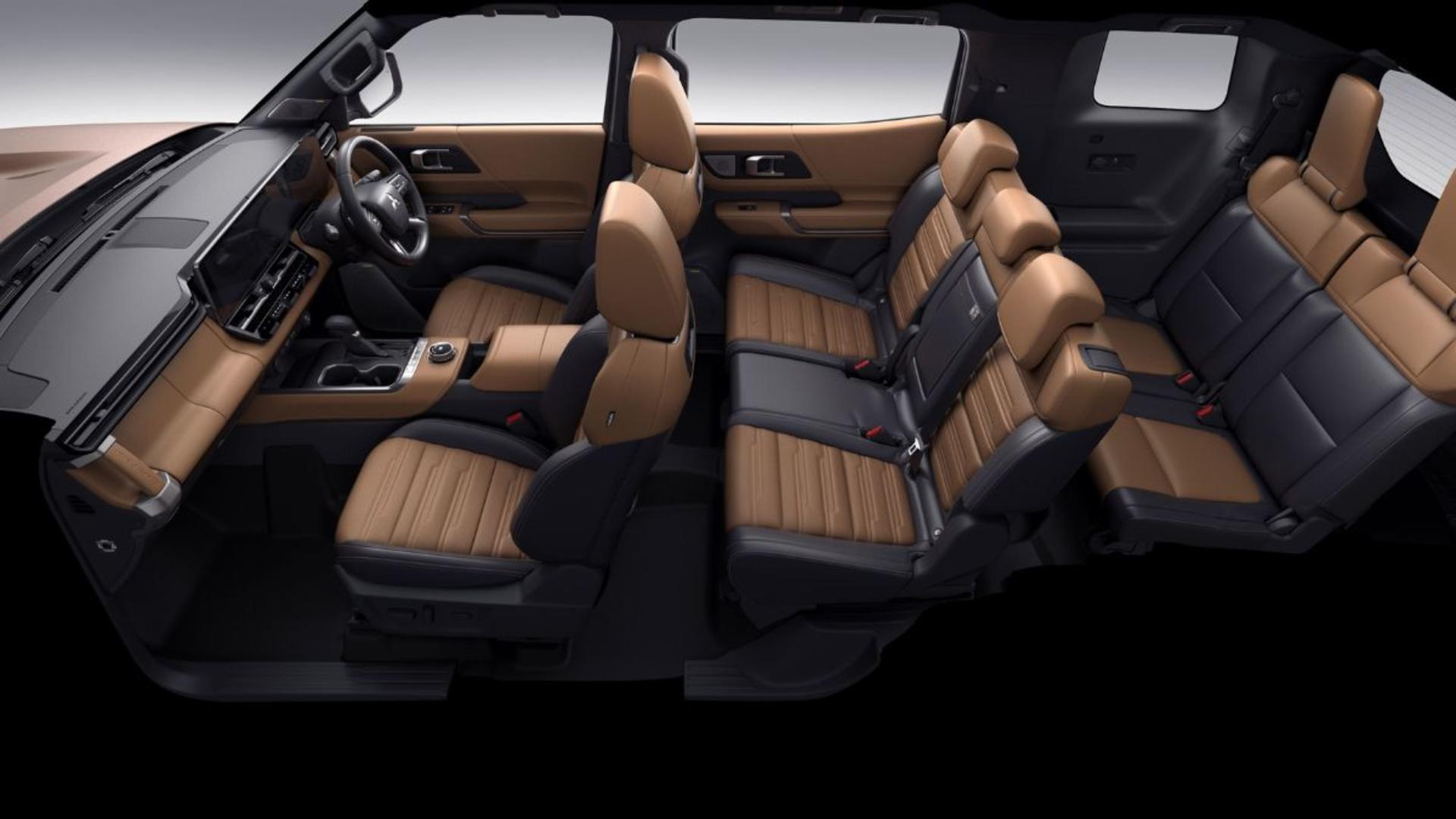
Comfort features include seat ventilation across the whole seat rather than just the base, three-zone automatic climate control running from the front seats through to the third row, and a sound-insulation package that adds acoustic glass to the windscreen and front and rear door windows to cut wind and engine noise at highway speeds.
Mitsubishi has also worked with Yamaha on the Dynamic Sound Yamaha Ultimate audio system, which uses 12 speakers and dual amplifiers with noise compensation that adjusts volume and tuning based on road speed.
What Safety Technology Does the New Pajero Carry?
The new Pajero comes with Forward Collision Mitigation covering pedestrian, cyclist and motorcyclist detection plus junction assist, along with Predictive Forward Collision Warning and Emergency Assist for Pedal Misapplication. Mitsubishi has added Emergency Lane Assist for the first time on a Pajero, using a forward-facing camera and radar to warn the driver and assist with steering if it detects an unintended lane departure, and Front Cross Traffic Alert to flag vehicles approaching from either side at intersections.
For longer drives, MI-PILOT combines Adaptive Cruise Control and Lane Keep Assist into a single-lane highway driving assistance system, helping maintain following distance and lane position on freeway trips between Melbourne and the regions. Occupant protection runs to eight airbags in total, including Mitsubishi's first SRS centre airbag, designed to reduce injury risk from contact between front-seat occupants in a side impact.
What Warranty and Dealer Support Backs the New Pajero?
Every new Mitsubishi sold in Australia currently comes with the Diamond Advantage program, and we'd expect the new Pajero to be covered under the same structure once local sales begin, though Mitsubishi Australia hasn't published Pajero-specific warranty terms yet. In general terms, Mitsubishi's standard new vehicle warranty runs for five years, extending out to a longer conditional term of up to ten years or 200,000 kilometres when the vehicle is serviced on schedule at a Mitsubishi dealership. Capped price servicing and roadside assistance are also part of the program for vehicles that stay within the dealer servicing network.
That backing matters for a vehicle like the Pajero. Buyers taking a serious 4WD away from sealed roads want to know the support network is there if something goes wrong, and with dealers across metropolitan Melbourne and regional Victoria, our team can service and support a new Pajero through its full ownership life. We'll confirm exact warranty terms for the new Pajero the moment Mitsubishi Australia publishes them.
Why Does the Pajero Name Matter?
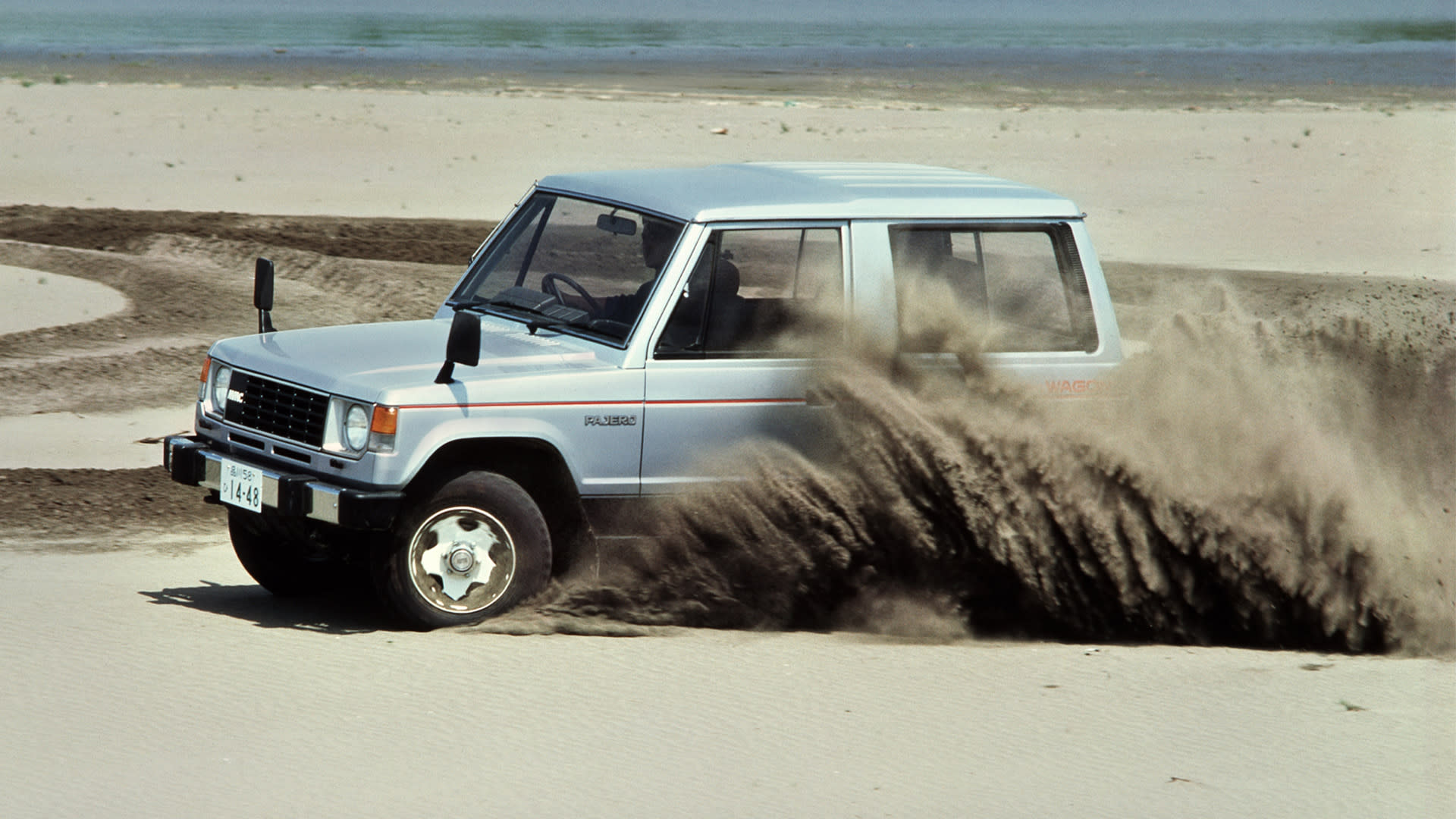
Mitsubishi first introduced the Pajero in 1982 as a cross-country 4WD built to combine genuine off-road ability with passenger-car comfort, and it went on to become one of the vehicles that drove Japan's RV boom through the 1990s. Across four generations, Mitsubishi built more than 3.29 million Pajeros and sold them in more than 170 countries and regions, making it one of the brand's most recognised nameplates globally, sold as the Montero in some markets.
That history sits alongside Mitsubishi's long-standing all-wheel-control heritage built through decades of rally competition, the same engineering line that informs the S-AWC and SS4-II systems on the new model. Mitsubishi's own positioning for this generation layers a new idea of prestige on top of the confidence and comfort themes that defined earlier Pajeros, aiming the vehicle at buyers who want flagship presentation without giving up the mechanical seriousness the name has always stood for.
All-New Mitsubishi Pajero Specifications
| Specification | Figure |
|---|---|
| Engine | 2.4L clean diesel, single VGT turbocharger |
| Maximum torque | 480Nm (470Nm on select specifications) |
| Transmission | 8-speed automatic with sport mode |
| Drivetrain | S-AWC with SS4-II (Super Select 4WD-II) |
| 4WD modes | 2H, 4H, 4HLc, 4LLc |
| Drive modes | Normal, Eco, Gravel, Snow, Mud, Sand, Rock |
| Seating | 3-row, 7-seat |
| Length | 4,920mm |
| Width | 1,925mm |
| Height | 1,910mm (20-inch tyre specification) |
| Wheelbase | 2,870mm |
| Front/rear track | 1,630mm |
| Ground clearance | 230mm (20-inch tyre specification) |
| Approach angle | 30.4 degrees (20-inch tyre specification) |
| Ramp breakover angle | 22.6 degrees (20-inch tyre specification) |
| Departure angle | 25.8 degrees (20-inch tyre specification) |
| Weight distribution | 52:48 front to rear |
| Displays | 2 x 14.3-inch (12.3-inch on select specifications) |
| Airbags | 8, including first SRS centre airbag |
| Brakes | 18-inch rotors, electric brake booster |
| Audio | Dynamic Sound Yamaha Ultimate, 12 speakers, dual amplifiers |
Figures marked as select-specification or 20-inch tyre specification may vary once Mitsubishi Australia confirms local grades. Treat any figure not listed above, including pricing, as unconfirmed for Australia.
Talk to Booran Motor Group About the New Pajero
We're taking expressions of interest now for Melbourne and Victorian buyers who want to be among the first through the door when the new Pajero arrives at our Mitsubishi dealership.
Register your interest with our team and we'll be in touch the moment Mitsubishi Australia confirms local pricing, grades and specifications.